Fork-type Gear Coupling
Rokee® provide F
Rokee® provide Fork-type Gear Coupling, non-standard coupling customization, drawing design, batch processing, and export the product to your location.
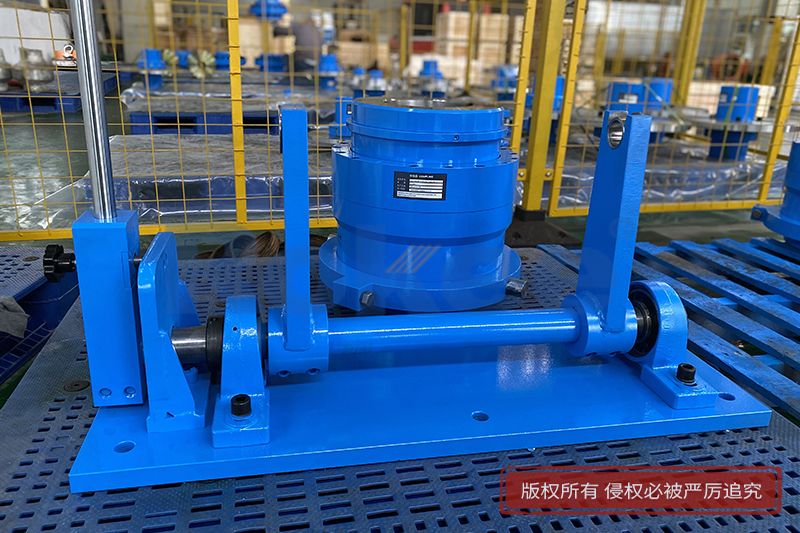
In the realm of mechanical power transmission, couplings serve as critical components that connect two rotating shafts, enabling the transfer of torque while accommodating misalignments, absorbing shocks, and compensating for axial, radial, and angular displacements. Among the diverse range of couplings available, fork-type gear couplings stand out for their robust construction, high torque-carrying capacity, and adaptability to harsh operating conditions.
Design Characteristics of Fork-type Gear Couplings
Fork-type gear couplings are a type of rigid-flexible coupling that integrates the structural features of gear couplings and fork couplings, combining the high torque transmission capability of gear mechanisms with the flexibility of fork structures. The core design of a fork-type gear coupling typically consists of four main components: two fork-shaped hubs, a gear sleeve, and a set of internal and external gears. Each fork-shaped hub is attached to the end of the respective shafts that need to be connected, and the gear sleeve acts as an intermediate component that meshes with the gears on the hubs.
The fork-shaped hubs are characterized by their forked ends, which are designed to accommodate the gear sleeve and allow for a certain degree of angular misalignment. The gears on the hubs are usually external gears, while the gear sleeve is equipped with internal gears that match the parameters of the hub gears. The tooth profile of these gears is often involute, a common choice in gear design due to its smooth meshing performance and ability to distribute load evenly across the tooth surface. The number of teeth, module, pressure angle, and tooth width are key design parameters that determine the torque capacity and meshing efficiency of the coupling.
Another notable design feature of fork-type gear couplings is the presence of a clearance between the gear teeth and the fork ends. This clearance is essential for accommodating axial, radial, and angular misalignments between the connected shafts. Unlike fully rigid couplings, which have minimal tolerance for misalignment, the fork-type design allows for a greater degree of flexibility, reducing the stress on the shafts and other connected components. Additionally, the coupling may be equipped with a lubrication system, including oil grooves and oil holes, to ensure smooth operation and reduce wear between the meshing gears.
The material selection for fork-type gear couplings is crucial to their performance and durability. Typically, the hubs and gear sleeve are made of high-strength alloy steels, such as 40Cr, 45# steel, or 20CrMnTi. These materials offer excellent mechanical properties, including high tensile strength, hardness, and wear resistance, making them suitable for high-torque and high-speed applications. The surface of the gears may undergo heat treatment processes, such as carburizing, quenching, and tempering, to further enhance their hardness and wear resistance, extending the service life of the coupling.
Working Principles of Fork-type Gear Couplings
The fundamental working principle of a fork-type gear coupling revolves around the meshing of gears to transmit torque and the flexibility of the fork structure to accommodate misalignments. When the driving shaft rotates, it drives the attached fork-shaped hub, which in turn transmits torque to the gear sleeve through the meshing of the external gears on the hub and the internal gears on the sleeve. The gear sleeve then transfers the torque to the other fork-shaped hub, which is connected to the driven shaft, thereby rotating the driven shaft.
One of the key aspects of the working principle is the accommodation of misalignments. Axial misalignment occurs when the two shafts are not perfectly aligned along their axial direction. The fork-type design allows the gear sleeve to move axially relative to the hubs, compensating for this misalignment. Radial misalignment, which is the offset between the central axes of the two shafts, is accommodated by the clearance between the gear teeth and the flexibility of the fork structure. Angular misalignment, where the two shafts are not parallel but form an angle with each other, is handled by the rotation of the fork-shaped hubs relative to the gear sleeve, which adjusts to the angle while maintaining the meshing of the gears.
The meshing of the involute gears ensures that the torque transmission is smooth and efficient. The involute tooth profile ensures that the contact point between the teeth moves along a fixed line, resulting in a constant transmission ratio. This constant ratio is essential for maintaining the stability of the mechanical system, especially in applications where precise speed control is required. Additionally, the even distribution of load across the tooth surface reduces the stress on individual teeth, preventing premature wear and failure.
Lubrication plays a vital role in the working of fork-type gear couplings. The meshing gears generate friction and heat during operation, and proper lubrication reduces this friction, minimizes wear, and dissipates heat. The lubricant forms a thin film between the meshing surfaces, preventing direct metal-to-metal contact. This not only extends the service life of the coupling but also improves its efficiency by reducing frictional losses.
Key Advantages of Fork-type Gear Couplings
Fork-type gear couplings offer a range of advantages that make them suitable for a wide variety of industrial applications. One of the most significant advantages is their high torque-carrying capacity. The meshing gear design provides a large contact area, allowing the coupling to transmit high levels of torque without excessive wear or deformation. This makes them ideal for heavy-duty applications, such as in steel mills, mining equipment, and large-scale industrial machinery, where high torque transmission is a primary requirement.
Another major advantage is their excellent misalignment compensation capability. As discussed earlier, fork-type gear couplings can accommodate axial, radial, and angular misalignments, which are common in real-world applications due to factors such as shaft deflection, thermal expansion, and installation errors. This flexibility reduces the stress on the shafts, bearings, and other components, minimizing the risk of premature failure and extending the overall service life of the mechanical system.
Fork-type gear couplings also exhibit high durability and reliability. The use of high-strength materials and heat-treated gears ensures that the coupling can withstand harsh operating conditions, including high speeds, heavy loads, and extreme temperatures. They are also resistant to wear, corrosion, and impact, making them suitable for use in harsh environments such as outdoor applications, chemical plants, and marine environments.
In addition to their performance advantages, fork-type gear couplings are relatively easy to install and maintain. The modular design allows for easy assembly and disassembly, simplifying the installation process. Maintenance typically involves regular lubrication and inspection of the gear teeth for wear, which can be performed without removing the entire coupling from the shaft. This reduces downtime and maintenance costs, making them a cost-effective solution for many industrial applications.
Finally, fork-type gear couplings offer a constant transmission ratio, ensuring stable and precise power transmission. This is particularly important in applications such as machine tools, conveyors, and pumps, where consistent speed and torque delivery are essential for optimal performance. The smooth meshing of the gears also reduces vibration and noise, improving the overall stability and comfort of the mechanical system.
Industrial Applications of Fork-type Gear Couplings
Due to their high torque capacity, flexibility, and durability, fork-type gear couplings find applications in a wide range of industries. One of the primary applications is in the steel industry, where they are used in rolling mills, blooming mills, and continuous casting machines. These applications require the transmission of extremely high torque to drive the heavy rollers and other components, and the fork-type gear coupling's ability to accommodate misalignments is crucial due to the large size and weight of the equipment.
The mining industry is another major user of fork-type gear couplings. Mining equipment such as crushers, grinders, and conveyor systems operate under harsh conditions, with high loads, vibrations, and misalignments. Fork-type gear couplings are used to connect the motors to the equipment, ensuring reliable torque transmission and withstanding the harsh environment. Their durability and resistance to wear make them ideal for this industry, where downtime can be extremely costly.
In the power generation industry, fork-type gear couplings are used in thermal power plants, hydroelectric power plants, and wind turbines. In thermal power plants, they are used to connect the steam turbine to the generator, transmitting high torque at high speeds. In hydroelectric power plants, they are used in the transmission system of water turbines, accommodating the misalignments caused by the movement of the turbine shaft. In wind turbines, they are used to connect the rotor to the generator, withstanding the variable loads and misalignments caused by wind fluctuations.
The manufacturing industry also relies heavily on fork-type gear couplings. They are used in machine tools such as lathes, milling machines, and machining centers, where precise torque transmission and speed control are essential. They are also used in conveyors, pumps, and compressors, which are common in manufacturing facilities. The flexibility of fork-type gear couplings makes them suitable for these applications, as they can accommodate the misalignments that may occur due to the long length of the shafts or the movement of the equipment.
Other applications of fork-type gear couplings include marine propulsion systems, where they are used to connect the engine to the propeller shaft, accommodating the misalignments caused by the movement of the ship. They are also used in agricultural machinery such as tractors and harvesters, where they transmit torque from the engine to the various components of the machinery.
Maintenance Considerations for Fork-type Gear Couplings
Proper maintenance is essential to ensure the optimal performance and long service life of fork-type gear couplings. One of the most important maintenance tasks is regular lubrication. The meshing gears and other moving parts require adequate lubrication to reduce friction and wear. The type of lubricant used should be appropriate for the operating conditions, including temperature, speed, and load. It is recommended to follow the manufacturer's guidelines for the selection of lubricant and the lubrication interval. Additionally, the lubrication system should be inspected regularly to ensure that there are no leaks and that the lubricant is reaching all the necessary components.
Regular inspection of the gear teeth is another crucial maintenance task. The teeth should be inspected for signs of wear, pitting, cracking, or deformation. These issues can occur due to excessive load, improper lubrication, or misalignment. If any damage is detected, the coupling should be repaired or replaced immediately to prevent further damage to the shafts and other components. The inspection can be performed using visual methods, or more advanced techniques such as ultrasonic testing or magnetic particle inspection for detecting internal defects.
Checking the alignment of the connected shafts is also important. Over time, the alignment may change due to factors such as thermal expansion, shaft deflection, or of the mounting bolts. Misalignment beyond the coupling's capacity can cause excessive stress on the gear teeth and other components, leading to premature failure. The alignment should be checked regularly using alignment tools such as dial indicators or laser alignment systems, and adjusted if necessary.
The mounting bolts and other fasteners should also be inspected regularly for tightness. Loose bolts can cause misalignment and vibration, which can damage the coupling and other components. The bolts should be tightened to the recommended torque according to the manufacturer's specifications.
Finally, it is important to keep the coupling clean. Dust, dirt, and other contaminants can accumulate on the coupling, affecting its performance and causing wear. The coupling should be cleaned regularly using a suitable cleaning agent to remove any contaminants.
Conclusion
Fork-type gear couplings are essential components in mechanical power transmission systems, offering high torque-carrying capacity, excellent misalignment compensation, and high durability. Their unique design, which combines the advantages of gear couplings and fork couplings, makes them suitable for a wide range of industrial applications, from steel mills and mining equipment to power generation and manufacturing machinery. Proper design, material selection, and maintenance are crucial to ensuring the optimal performance and long service life of fork-type gear couplings.
As industrial machinery continues to evolve towards higher power, higher speed, and more harsh operating conditions, the demand for reliable and efficient power transmission components such as fork-type gear couplings is expected to grow. Ongoing research and development in materials science and manufacturing technology are likely to further improve the performance and durability of fork-type gear couplings, making them even more suitable for the challenges of modern industry. By understanding the design, functionality, advantages, applications, and maintenance of fork-type gear couplings, engineers and maintenance professionals can make informed decisions about their selection and use, ensuring the reliability and efficiency of mechanical systems.
« Fork-type Gear Coupling » Post Date: 2023/12/6
URL: /en/customer-cases/fork-type-gear-coupling.html
- Flexible Coupling Grease
- Universal Shaft For Steel Mills
- Flexible Diaphragm Coupling Manufacturer
- Custom Brake Drum Gear Couplings
- Motor Plum Couplings
- Tagging of Bushed Pin Type Flexible Couplings
- Manufacturing Of Single Diaphragm Couplings
- Outer Hexagonal Pin Coupling
- Lathe Plum Blossom Coupling
- Curved-tooth Gear Coupling Tooth Height