Pump Column Pin Coupling
Rokee? is a Pump Column Pin Coupling Supplier from China, customized pump column pin coupling according to the drawings which provided by the customer, selling chinese national standard pump column pin coupling, support export, due to excellent quality, complete technical services and superior cost performance, Rokee? industrial coupling have been serving more than 60 countries and regions in the world, effectively operating in many corners of the world.
The pin and bush couplings accept parallel, angular and axial misalignment and can provide considerable torsional flexibility. The flexible pin gear coupling is designed with non-metallic flexible pin, two toothed semi-couplings and a toothed sleeve ring with an outer ring. It uses non-metallic flexible deformation to transfer torque and cushion shock and compensate angular displacement.
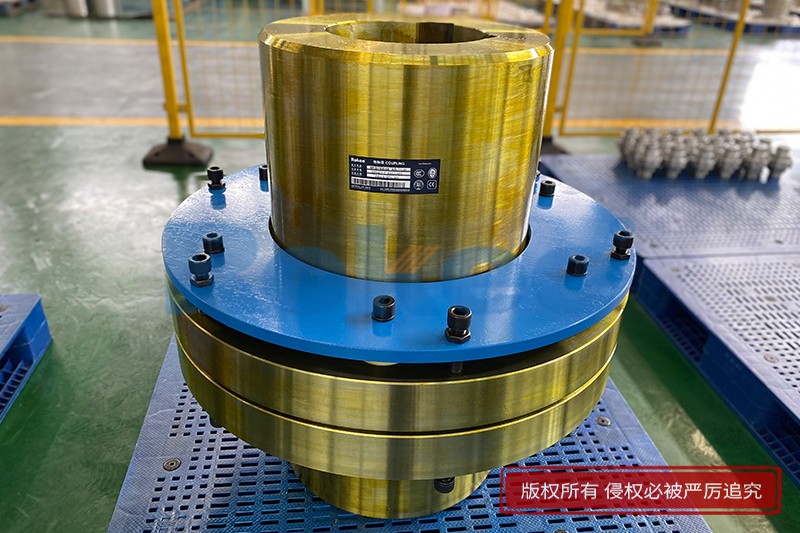
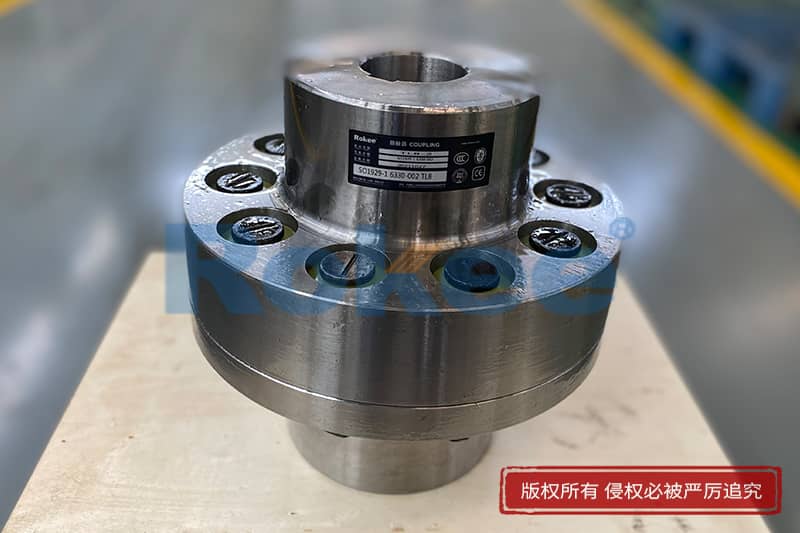
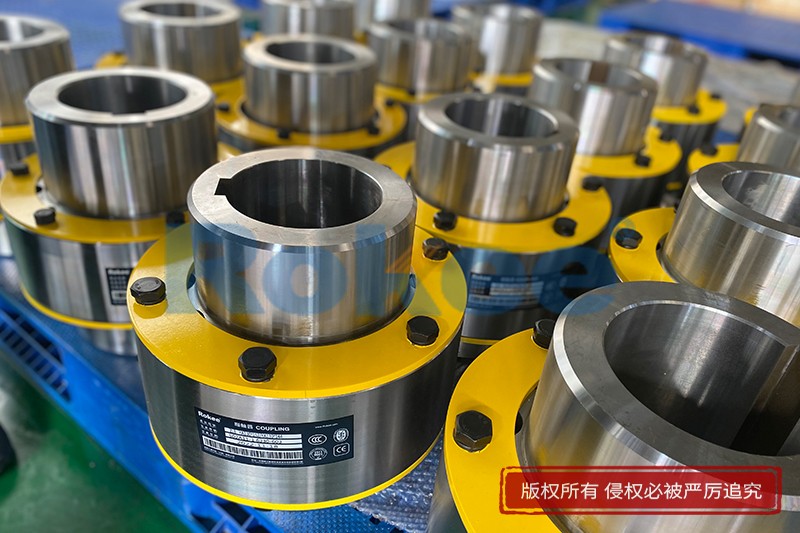
The flexible pin coupling is a basic transmission parts that has simple structure, needs no lubrication, and is easy to manufacture, install and disassemble the flexible pin. It uses two semi-couplings with flange holes and a non-metallic flexible pin for crane to transmit torque, suitable for low-to-medium speed and low-to-medium torque occasions.

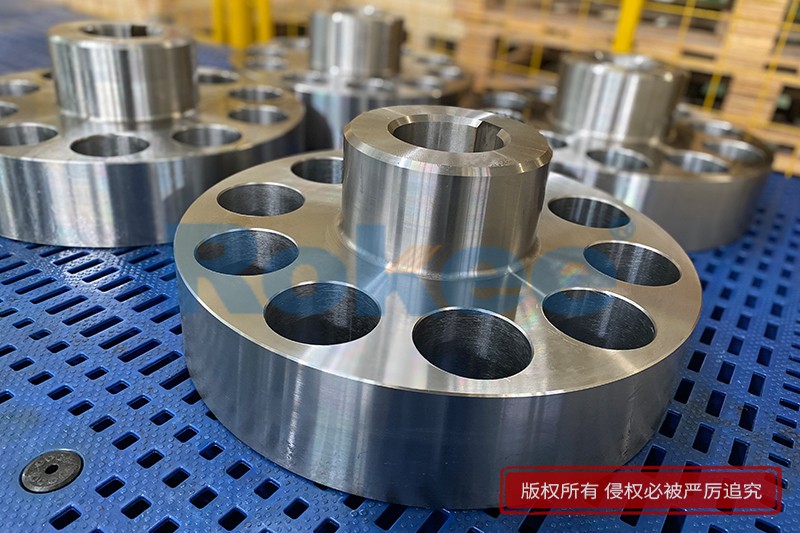
The design of the elastic sleeve pin coupling is simple and clever in design and has wide applicability. It uses the pin with elastic sleeve to connect two semi-couplings with pin holes to realize torque transmission and larger angular compensation. At the same time, it has good shock absorption and buffering performance, which can be used in high-speed occasions without lubrication and requiring easy pin sleeve replacement.

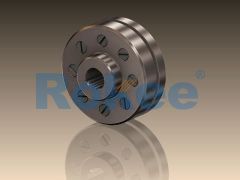
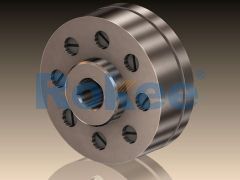
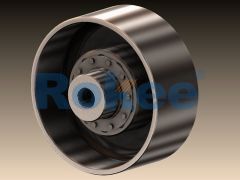
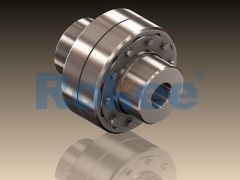
LTZ/TLL Elastic Sleeve Pin Coupling
LTZ/TLL Elastic Sleeve Pin Coupling is designed with a brake wheel, suitable for situations where braking is required.
LT/TL Elastic Sleeve Pin Coupling
LT/TL Elastic Sleeve Pin Coupling is the basic form of this series of couplings.
LXZ(HLL) Flexible Pin Coupling
LXZ(HLL) Flexible Pin Coupling is designed with a brake wheel, suitable for situations where braking is required.
LX(HL) Flexible Pin Coupling
LX(HL) Flexible Pin Coupling is the basic form of this series of couplings.
LZZ/ZLL Pin Gear Coupling
LZZ Pin Gear Coupling is designed with a brake wheel, suitable for situations where braking is required.
LZD/ZLD Pin Gear Coupling
One end of the LZD Pin Gear Coupling is designed with a conical shaft hole, and the clearance between the semi-couplings is increased to facilitate the fixing space at the shaft end.
LZ/ZL Pin Gear Coupling
LZ Pin Gear Coupling is the basic form of this series of couplings.
In the realm of industrial machinery, the efficient transmission of power between rotating components is a fundamental requirement for optimal operational performance. Couplings, as critical intermediaries in this process, play a pivotal role in connecting shafts while accommodating misalignments, absorbing shocks, and ensuring torque transfer. Among the diverse range of coupling types available, the pump column pin coupling stands out for its specialized design tailored to the unique demands of pump systems, particularly those involving column shafts in deep-well or vertical pump configurations.
To understand the significance of pump column pin couplings, it is first essential to recognize the operational challenges faced by vertical pump systems. Unlike horizontal pumps, vertical pumps—such as deep-well submersible pumps, vertical turbine pumps, and column pumps—feature a long vertical shaft (column shaft) that connects the motor at the top to the pump impeller assembly at the bottom. This vertical configuration introduces unique mechanical stresses, including axial loads, radial misalignments, and torsional vibrations. Additionally, the column shaft may experience slight flexing during operation, which can lead to misalignment between the motor shaft and the column shaft. A robust coupling is therefore necessary to address these challenges, ensuring seamless power transmission while protecting both the motor and the pump components from premature wear or failure. The pump column pin coupling is engineered to meet these specific requirements, offering a balance of flexibility, durability, and ease of installation.
Structural Characteristics of Pump Column Pin Coupling
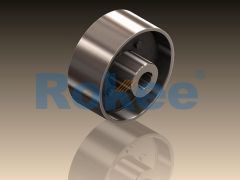
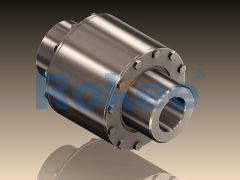
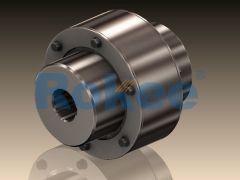
The pump column pin coupling features a relatively simple yet robust design, consisting of several key components that work in tandem to facilitate torque transfer and accommodate misalignments. The core components typically include two coupling halves, a set of pins, and elastomeric bushes (or sleeves) that encase the pins. Each coupling half is designed to attach to the respective shafts—one to the motor shaft and the other to the column shaft—using keyways, set screws, or hydraulic clamping mechanisms. The coupling halves are usually fabricated from high-strength materials such as cast iron, steel, or aluminum alloys, selected based on the torque requirements and environmental conditions of the application.
The pins, which are the primary torque-transmitting elements, are evenly spaced around the circumference of the coupling halves. These pins are typically cylindrical in shape and are press-fitted or bolted into one of the coupling halves. The elastomeric bushes, made from materials such as rubber, polyurethane, or neoprene, are inserted into corresponding holes in the opposite coupling half. When the coupling is assembled, the pins engage with the elastomeric bushes, creating a flexible connection between the two shafts. This design allows for a certain degree of angular, parallel, and axial misalignment between the shafts, as the elastomeric bushes can deform slightly under load to absorb the misalignment without transmitting excessive stress to the shafts or other components.
Another notable structural feature of pump column pin couplings is their compact design. Given the vertical configuration of column pumps, space is often limited around the shaft connection point. The compact size of these couplings ensures that they can be easily installed in confined spaces without compromising performance. Additionally, many pump column pin couplings are designed for easy disassembly, which simplifies maintenance and repair tasks—an important consideration for pump systems that are often installed in remote or hard-to-access locations, such as deep wells or industrial tanks.
Working Principles of Pump Column Pin Coupling
The fundamental working principle of a pump column pin coupling revolves around the transfer of torque from the motor shaft to the column shaft through the interaction between the pins and the elastomeric bushes. When the motor operates, it generates rotational torque that is transmitted to the motor-side coupling half. This torque is then transferred to the pins, which press against the elastomeric bushes in the column shaft-side coupling half. The elastomeric bushes, while providing a flexible interface, transmit the torque to the column shaft, causing it to rotate and drive the pump impeller.
A key aspect of the working principle is the ability of the coupling to accommodate misalignments. Angular misalignment, which occurs when the shafts are not collinear but intersect at a point, is absorbed by the deformation of the elastomeric bushes on one side of the coupling. Parallel misalignment, where the shafts are parallel but offset from each other, is accommodated by the differential deformation of the bushes on opposite sides of the coupling. Axial misalignment, caused by thermal expansion or contraction of the shafts or by axial movement of the pump impeller, is absorbed by the axial flexibility of the elastomeric bushes. This ability to accommodate misalignments is crucial for preventing excessive stress on the shafts, bearings, and seals of the pump system, which can lead to premature failure.
In addition to torque transmission and misalignment accommodation, pump column pin couplings also play a role in damping vibrations and absorbing shocks. The elastomeric bushes act as shock absorbers, reducing the transmission of vibrations from the motor to the pump and vice versa. This vibration damping helps to improve the overall stability of the pump system, reduce noise levels, and extend the service life of critical components such as bearings and seals. Furthermore, the elastomeric material can absorb sudden shock loads, such as those caused by the pump cavitating or by a sudden change in flow rate, protecting the shafts and other mechanical components from damage.
Key Advantages of Pump Column Pin Coupling
Pump column pin couplings offer several distinct advantages that make them well-suited for vertical pump applications. One of the primary advantages is their excellent misalignment accommodation capability. As discussed earlier, vertical pump systems are prone to various types of misalignment due to the long column shaft and vertical configuration. The flexible design of pump column pin couplings allows them to handle these misalignments effectively, reducing stress on the shafts, bearings, and seals and minimizing the risk of premature failure. This flexibility also simplifies the installation process, as it reduces the need for precise alignment of the motor and column shafts—a significant benefit in field installations where access may be limited.
Another key advantage is their vibration damping and shock absorption properties. The elastomeric bushes in the coupling help to reduce the transmission of vibrations between the motor and the pump, which improves the stability of the system and reduces noise. This is particularly important in industrial settings where noise and vibration can be a concern for worker safety and comfort. Additionally, the shock absorption capability protects the pump system from sudden load changes, ensuring reliable operation even under variable operating conditions.
Pump column pin couplings are also known for their simplicity and ease of maintenance. Their straightforward design with fewer components makes them easy to assemble, disassemble, and repair. In the event of a failure, the elastomeric bushes can be easily replaced without the need for specialized tools or extensive downtime. This is a critical advantage for pump systems that are essential for continuous operations, such as those used in water supply, wastewater treatment, or industrial process applications. The low maintenance requirements also contribute to lower overall operating costs, as they reduce the need for frequent repairs and replacements.
Durability and cost-effectiveness are additional advantages of pump column pin couplings. The use of high-strength materials for the coupling halves and pins ensures that the coupling can withstand the high torque and stress associated with pump operations. The elastomeric bushes, while flexible, are designed to resist wear, tear, and degradation from environmental factors such as temperature, humidity, and chemical exposure. This durability ensures a long service life for the coupling, reducing the frequency of replacements. Furthermore, compared to more complex coupling types such as gear couplings or disc couplings, pump column pin couplings are generally more cost-effective, making them an attractive option for budget-conscious applications without compromising performance.
Industrial Applications of Pump Column Pin Coupling
Pump column pin couplings are primarily used in vertical pump systems across a wide range of industrial, commercial, and municipal applications. One of the most common applications is in deep-well submersible pumps, which are used for extracting groundwater for drinking water supply, irrigation, or industrial processes. In these pumps, the column shaft connects the surface-mounted motor to the submersible pump unit at the bottom of the well. The pump column pin coupling ensures reliable torque transmission between the motor and the column shaft, while accommodating misalignments caused by the long shaft and the irregularities of the wellbore.
Vertical turbine pumps, which are used for large-scale water supply, wastewater treatment, and industrial cooling systems, also frequently utilize pump column pin couplings. These pumps feature a vertical shaft that extends from the motor at the top down to the turbine impellers at the bottom, which are submerged in the fluid being pumped. The pump column pin coupling is ideal for this application due to its ability to handle the misalignments and axial loads associated with the vertical shaft, as well as its vibration damping properties, which help to ensure smooth operation of the large-scale pump system.
Another important application area is in industrial process pumps, such as those used in chemical processing, oil and gas, and food and beverage industries. In these applications, vertical pumps are often used to transfer corrosive, viscous, or high-temperature fluids. The pump column pin coupling, with its durable construction and compatibility with various elastomeric materials (resistant to chemicals and high temperatures), is well-suited to these harsh operating conditions. The coupling's ability to absorb shocks and vibrations also helps to protect the pump system from the stresses associated with handling difficult fluids.
Municipal wastewater treatment plants also rely on pump column pin couplings in their vertical pump systems. These pumps are used to transfer wastewater from collection tanks to treatment units, and they often operate in harsh environments with high levels of solids and corrosive substances. The robust design of pump column pin couplings, along with their easy maintenance, makes them ideal for these applications, ensuring reliable operation and minimizing downtime.
Selection Criteria for Pump Column Pin Coupling
Selecting the appropriate pump column pin coupling for a specific application requires careful consideration of several key factors. One of the primary factors is the torque requirement. The coupling must be capable of transmitting the maximum torque generated by the motor without failure. The torque capacity of the coupling depends on the material of the coupling halves and pins, the number and size of the pins, and the strength of the elastomeric bushes. It is essential to select a coupling with a torque rating that exceeds the maximum operating torque of the pump system to ensure safe and reliable operation.
Misalignment tolerance is another critical selection criterion. Different pump applications may have varying levels of misalignment, depending on the length of the column shaft, the installation conditions, and the operating parameters. It is important to select a coupling that can accommodate the expected levels of angular, parallel, and axial misalignment without excessive wear or stress. Manufacturers typically provide specifications for the maximum misalignment tolerance of their couplings, and these should be carefully reviewed to ensure compatibility with the application.
The operating environment is also an important factor to consider. Factors such as temperature, humidity, chemical exposure, and the presence of dust or debris can affect the performance and service life of the coupling. For high-temperature applications, elastomeric bushes made from heat-resistant materials such as silicone or viton should be selected. For corrosive environments, coupling halves made from corrosion-resistant materials such as stainless steel or aluminum alloys, along with chemical-resistant elastomers, are recommended. In dusty or dirty environments, couplings with protective covers may be necessary to prevent the ingress of contaminants into the moving parts.
Shaft size and connection type are additional considerations. The coupling must be compatible with the diameters of the motor shaft and the column shaft. Manufacturers offer couplings in a range of sizes to fit different shaft diameters, and some couplings may be adjustable or feature interchangeable hubs to accommodate multiple shaft sizes. The connection type (keyway, set screw, hydraulic clamping) should also be compatible with the shaft design and the installation requirements. Hydraulic clamping connections, for example, offer a more secure and concentric fit than set screws, making them suitable for high-torque applications.
Finally, maintenance requirements and serviceability should be considered when selecting a pump column pin coupling. Couplings that are easy to disassemble and repair, with readily available replacement parts (such as elastomeric bushes), are preferable for applications where downtime must be minimized. It is also important to consider the expected service life of the coupling and the cost of replacements when evaluating the overall cost-effectiveness of the selection.
Maintenance Practices for Pump Column Pin Coupling
Proper maintenance is essential to ensure the long service life and reliable performance of pump column pin couplings. Regular inspection is the foundation of effective maintenance. Couplings should be inspected periodically for signs of wear, damage, or misalignment. During inspections, particular attention should be paid to the elastomeric bushes, which are the most prone to wear. Signs of bush wear include cracks, tears, hardening, or excessive deformation. If any of these signs are present, the bushes should be replaced immediately to prevent damage to the pins, coupling halves, or shafts.
Lubrication is another important maintenance practice, although the need for lubrication depends on the type of coupling. Some pump column pin couplings, particularly those with metal-on-metal contact points (such as the pins and bushes), may require periodic lubrication to reduce friction and wear. However, many modern couplings use self-lubricating elastomeric bushes that do not require additional lubrication. It is important to follow the manufacturer's recommendations regarding lubrication, including the type of lubricant to use and the frequency of application.
Alignment checks should also be performed regularly, especially after any maintenance or repair work on the pump system. Misalignment can increase stress on the coupling and other components, leading to premature wear. Alignment can be checked using simple tools such as a straightedge and feeler gauge, or more precise tools such as a laser alignment system. If misalignment is detected, it should be corrected immediately by adjusting the motor or pump mounting.
In addition to regular inspections and maintenance, it is important to handle and store the coupling properly. When installing or removing the coupling, care should be taken to avoid damaging the pins, bushes, or coupling halves. The coupling should be stored in a clean, dry environment to prevent corrosion or contamination. Replacement parts, such as elastomeric bushes, should also be stored properly to ensure they do not degrade before use.
Conclusion
Pump column pin couplings are essential components in vertical pump systems, providing reliable torque transmission, effective misalignment accommodation, and vibration damping. Their simple yet robust design, combined with their ease of maintenance and cost-effectiveness, makes them well-suited for a wide range of industrial, commercial, and municipal applications, including deep-well pumping, water supply, wastewater treatment, and industrial process pumping. By understanding the structural characteristics, working principles, and key advantages of these couplings, as well as following proper selection and maintenance practices, operators can ensure the optimal performance and long service life of their pump systems.
As industrial pump systems continue to evolve to meet the demands of higher efficiency, greater reliability, and more harsh operating conditions, the role of pump column pin couplings is likely to remain crucial. Manufacturers are constantly innovating to improve the performance of these couplings, including the development of new materials for the coupling halves and elastomeric bushes, as well as enhanced designs for better misalignment tolerance and vibration damping. By staying abreast of these innovations and selecting the right coupling for the application, industries can continue to benefit from the reliable and efficient operation of their vertical pump systems.
« Pump Column Pin Coupling » Post Date: 2023/10/9
URL: /en/blog/pump-column-pin-coupling.html
Tags: Pin Couplings, Crown Pin Couplings, Bush Pin Coupling, Flexible Pin Coupling, Bushed Pin Couplings, pu sandwich panel line
- Milling Machine Main Motor Pin Coupling
- Horizontal Mixed Flow Column Pin Coupling
- Bush Pin Coupling Price
- Purpose of Bush Pin Couplings
- Crown Pin Couplings Factory
- Grease of Bush Pin Coupling
- Crown Pin Coupling Drawing
- Classification of Crown Pin Couplings
- Bushed Pin Couplings Company
- Classification of Bushed Pin Couplings